


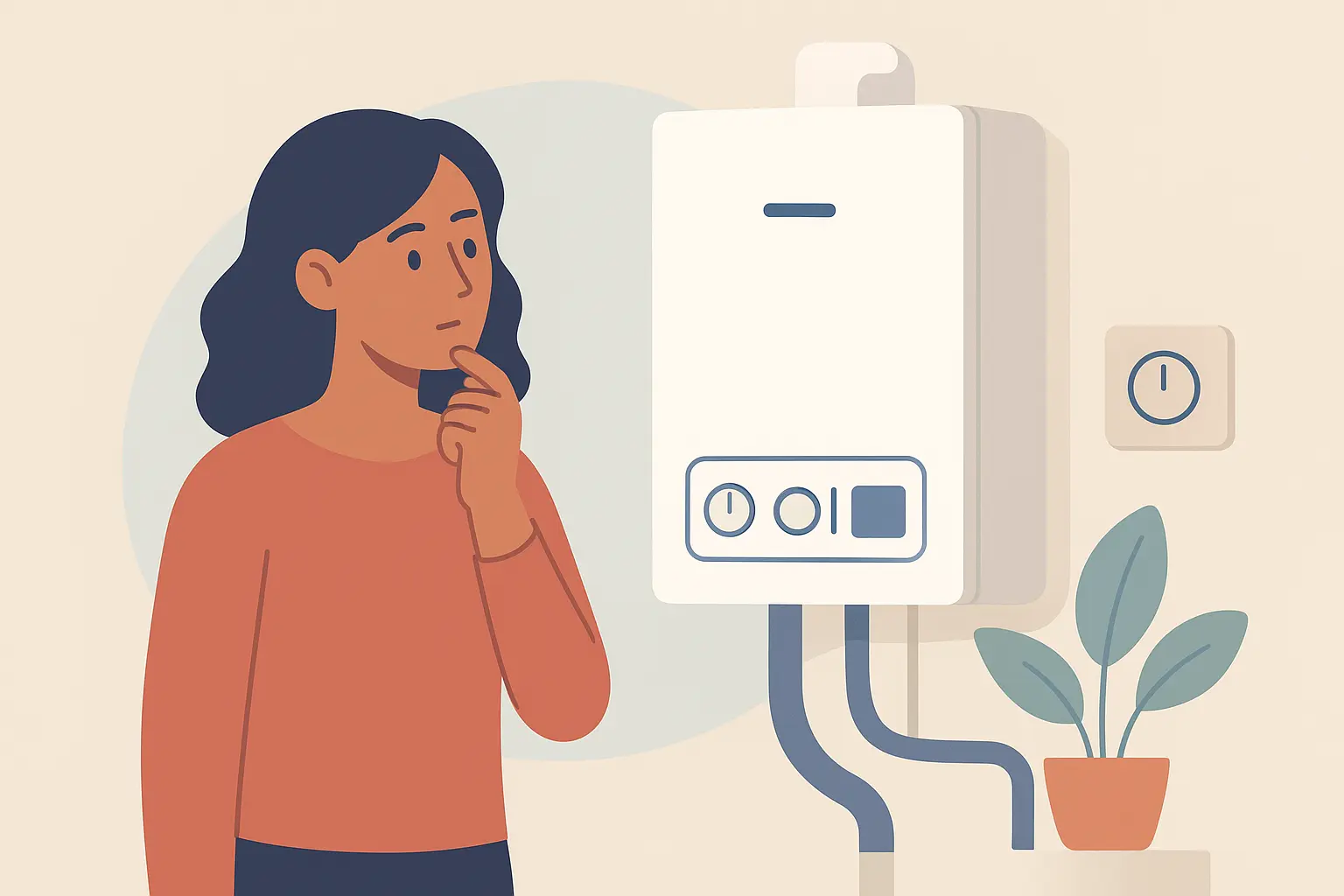
If your energy bills have crept up and you are wondering whether it is time for a new boiler, you are not alone. I hear it all the time from homeowners across Oxfordshire. The good news is that in many cases you can improve heating efficiency quite a bit without the cost of a full replacement. Often it is about making better use of what you already have and getting the basics right.
Before we get into it, it is worth saying that having access to reliable plumbing services makes a difference when something does need checking professionally. But there is plenty you can do yourself first.
Simple boiler and system tweaks to boost efficiency
Lower your flow temperature
If you have a modern condensing boiler, there is a good chance it is not set up to run as efficiently as it could. Many are left with the flow temperature set too high after installation.
By lowering the central heating flow temperature to around 60 degrees or slightly below, you allow the boiler to condense properly. That is when it runs at its most efficient. It might take your radiators a little longer to heat up but the overall comfort is usually better and the gas use drops.
This is something I regularly adjust in homes in Wallingford and Didcot, especially where boilers have been swapped in the last ten years. If you are unsure how to access the setting, check your manual or get an engineer to show you.
Use your programmer and thermostat properly
I cannot tell you how many times I walk into a house and the heating is set to 23 degrees all day. Or the programmer is on constant because it feels simpler.
Set your thermostat realistically. Most households are comfortable at 18 to 21 degrees. Dropping it by just one degree can make a noticeable difference to your bill over a winter.
Use your timer so the heating comes on just before you wake up or get home, not hours earlier. You want the house warm when you are using it, not when it is empty.
Balance your radiators
If some rooms are roasting while others never quite get warm, your system may be out of balance. Balancing involves adjusting the radiator lockshield valves so that heat is distributed evenly around the house.
This is not complicated but it does take patience. In older properties in Abingdon I often find the first radiator on the circuit takes most of the heat while the last one barely warms up. Once balanced properly, the boiler does not have to work as hard to reach temperature.
Bleed radiators and check for sludge
If the top of your radiator is cold and the bottom is warm, there is air trapped inside. Bleeding radiators is a simple job with a bleed key and a cloth to catch any drips.
If the bottom stays cold and the top is hot, that can point to sludge build up. Sludge restricts flow and reduces efficiency. In that case you may need a powerflush or at least a system clean. It is worth getting that professionally assessed rather than guessing.
Home improvements that reduce heat loss
Seal draughts properly
You would be surprised how much heat disappears through small gaps. Around loft hatches, pipe entries under sinks and floorboard gaps in older terraces.
Draught excluder strips around doors and windows are inexpensive and easy to fit. Just make sure you do not block intentional ventilation like trickle vents.
Top up loft insulation
Heat rises. If your loft insulation is thin or patchy, you are effectively warming the sky. Current guidance suggests around 270mm of mineral wool insulation in the loft.
I have lifted plenty of loft boards in properties around Didcot where insulation was barely 100mm deep. Topping it up is one of the quickest paybacks in terms of comfort and savings.
Use radiator reflector panels wisely
If you have radiators on external walls, especially in older solid brick homes, reflector panels can help bounce heat back into the room instead of losing it through the wall.
They are not a magic fix but in colder north facing rooms they can make a noticeable difference.
Curtains and smart furniture layout
Thick lined curtains closed at night help retain heat. Just remember to open them during the day to let sunlight in.
Also check that large sofas are not pushed tight against radiators. I often see radiators fully blocked which traps heat behind furniture and makes the boiler run longer.
When to call a professional and ongoing maintenance tips
Annual boiler servicing
If your boiler has not been serviced in the last year, book it in. A proper annual service includes checking combustion readings, cleaning components where needed and making sure safety devices are working.
A poorly maintained boiler can burn more gas than necessary. Servicing keeps it safe and as efficient as it was designed to be.
Consider smart controls
Smart thermostats and thermostatic radiator valves allow you to control different areas of the house more precisely. For landlords in places like Wallingford, Didcot and Abingdon, this can be a practical upgrade without replacing the boiler.
You can heat only the rooms in use rather than the whole property. Over time that improves overall efficiency.
Know when the boiler really is the issue
If your boiler is over 15 years old, frequently breaking down or struggling to keep up even after these tweaks, then it may be time to have a proper conversation about replacement. But do not assume that higher bills automatically mean you need a new one.
I have seen plenty of homes where a simple temperature adjustment and system clean made a bigger difference than the owner expected.
If you would like tailored advice based on your specific system and property, the team at AGM Heating and Plumbing are always happy to offer straightforward guidance. No pressure, just practical help.
Need help improving your heating efficiency? Contact our team today and we will be glad to take a look and point you in the right direction.

Pingback: Common Plumbing Problems in Older Homes | AGM Plumbing & Heating