


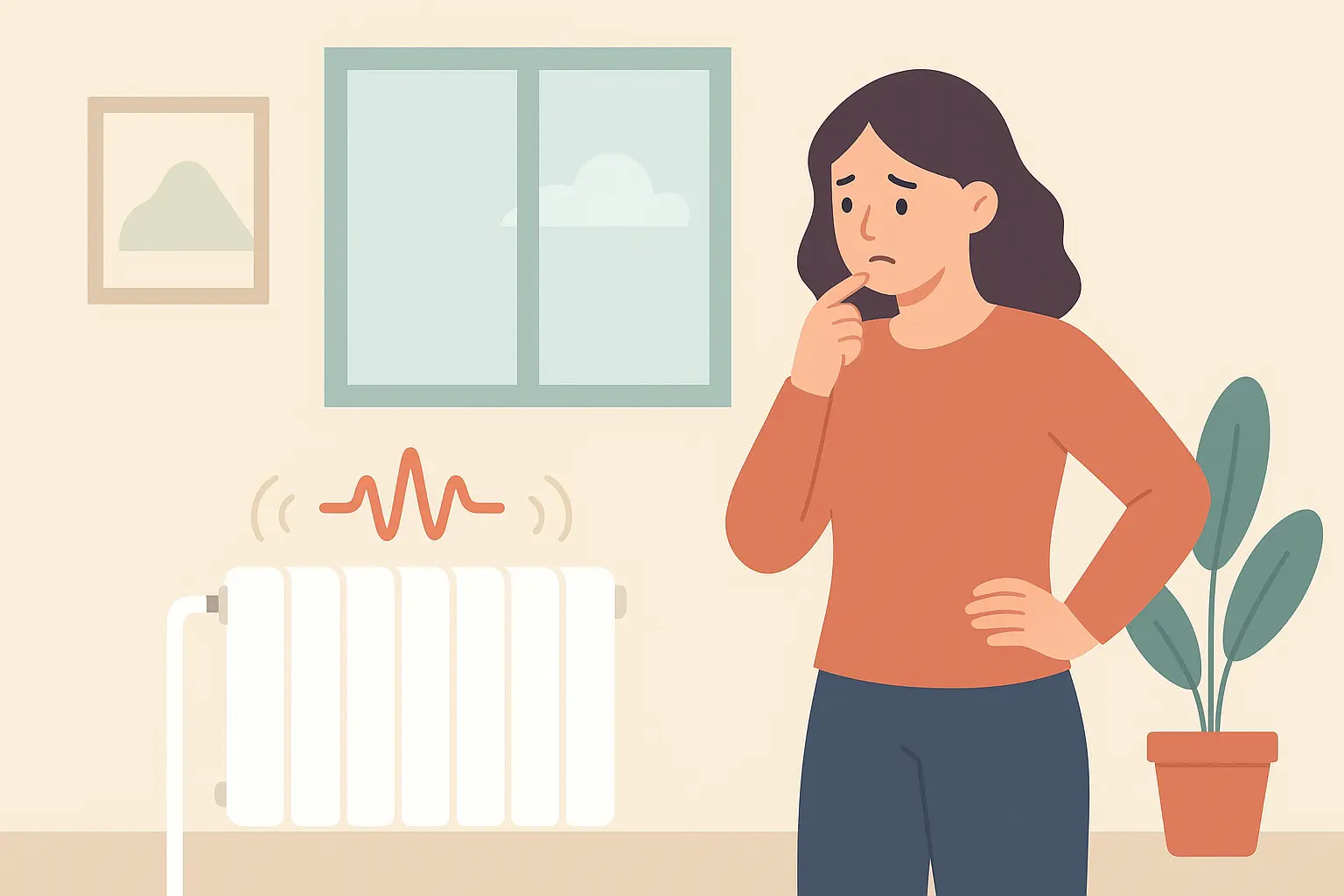
If you’ve ever put the heating on and found one radiator stone cold while the others are piping hot, you’re not alone. It’s one of the most common callouts I get in homes around Oxfordshire. Radiators not heating properly can be down to a few different things, and the good news is many of them are straightforward to sort with a bit of know-how. Sometimes you’ll need professional plumbing services, but there are a few checks you can safely do yourself first.
Let’s run through the usual causes, what you can try at home and when it’s time to get someone in.
Common Causes of Radiators Not Heating Properly
1. Trapped Air in the Radiator
If your radiator is warm at the bottom but cold at the top, nine times out of ten it’s just trapped air. Air rises and gets stuck in the top of the radiator, stopping hot water from filling the whole panel.
I see this a lot in properties in Didcot and Abingdon, especially at the start of autumn when the heating’s been off for months.
2. Sludge Build-Up
If the bottom is cold but the top is warm, that points to sludge. Over time, rust and debris inside the system settle at the bottom of radiators. It restricts the flow of hot water and reduces heat output.
Older systems in particular, especially those that haven’t had inhibitor added regularly, are prone to this. You might also notice radiators taking ages to warm up or the boiler making slightly different noises.
3. Faulty or Stuck Valves
If a radiator is completely cold while others are fine, check the valves. Thermostatic radiator valves, or TRVs, can stick closed, particularly after the summer. It’s common in spare rooms where the heating hasn’t been used much.
The pin inside the valve can get stuck down, which stops hot water getting in.
4. Boiler or System Issues
If several radiators are underperforming, or none are properly hot, you could be looking at a wider system problem. Low boiler pressure, a failing pump or a balancing issue can all affect heat distribution.
In some bigger homes in Wallingford where pipe runs are long, balancing becomes especially important to make sure each radiator gets its fair share of hot water.
Simple Checks and Fixes You Can Try
Before calling anyone out, there are a few safe steps most homeowners can take.
Bleeding the Radiator
If the top is cold, try bleeding it.
- Turn the heating off and let the system cool slightly.
- Use a radiator key and a cloth.
- Slowly open the bleed valve at the top corner.
- Let the air hiss out until water starts to trickle.
- Close it firmly but don’t overtighten.
Afterwards, check your boiler pressure. If it’s dropped below around 1 to 1.5 bar, you may need to top it up using the filling loop.
Checking the Valves
If a radiator is completely cold:
- Make sure both valves are open.
- Remove the TRV head and gently press the small pin underneath.
- If it’s stuck, carefully ease it up with pliers.
Often you’ll feel it spring back into place and the radiator will start warming within minutes.
Balancing Your Radiators
If some radiators get hot quickly and others stay lukewarm, your system might need balancing. This involves adjusting the lockshield valves so heat is distributed evenly.
It’s a bit fiddly and takes patience. You adjust each radiator slightly, then test the system. In larger properties around Abingdon with extensions added over the years, balancing can make a dramatic difference to comfort levels.
Flushing for Sludge
If you suspect sludge, a simple bleed won’t fix it. A powerflush or chemical flush may be needed to clean the system properly.
This isn’t really a DIY job. It involves specialist equipment and chemicals to clear out the build-up safely without damaging pipes or the boiler.
When It’s Time to Call a Professional
There’s no harm in trying the basics, but there are clear signs you should get expert help:
- You’ve bled the radiator and it’s still cold.
- Boiler pressure keeps dropping.
- Radiators repeatedly fill with air.
- You suspect sludge throughout the system.
- Your boiler is making unusual noises.
I’ve attended plenty of homes in Didcot where the issue looked simple but turned out to be a failing pump or a blocked heat exchanger. Catching those early prevents a much bigger repair bill later.
Regular servicing and adding corrosion inhibitor during maintenance goes a long way towards preventing these problems. Even something as basic as bleeding your radiators once a year before winter can improve efficiency and lower heating bills.
Preventative Tips to Keep Radiators Working Efficiently
A well-maintained heating system should warm up evenly and quietly. Here’s what I generally recommend to homeowners:
- Bleed radiators annually.
- Check boiler pressure every few months.
- Have the boiler serviced yearly.
- Add inhibitor when the system is drained.
- Address small cold spots early before sludge builds up.
If you live in Wallingford, Didcot or Abingdon and your heating never quite feels right, it’s worth getting it checked properly rather than just living with it. A balanced and clean system heats rooms faster and works more efficiently.
At AGM Heating and Plumbing, we regularly help local homeowners track down exactly why their radiators are underperforming and get their heating systems back to full working order.
If your radiators aren’t heating as they should and you’d rather have it sorted properly, book a visit today. A fresh pair of experienced eyes can often spot the issue in minutes and save you weeks of frustration.
Pingback: Why Is My Boiler Losing Pressure? Causes & Fixes | AGM Oxford