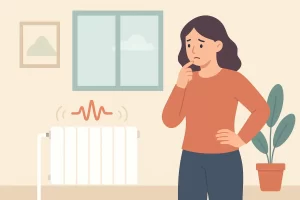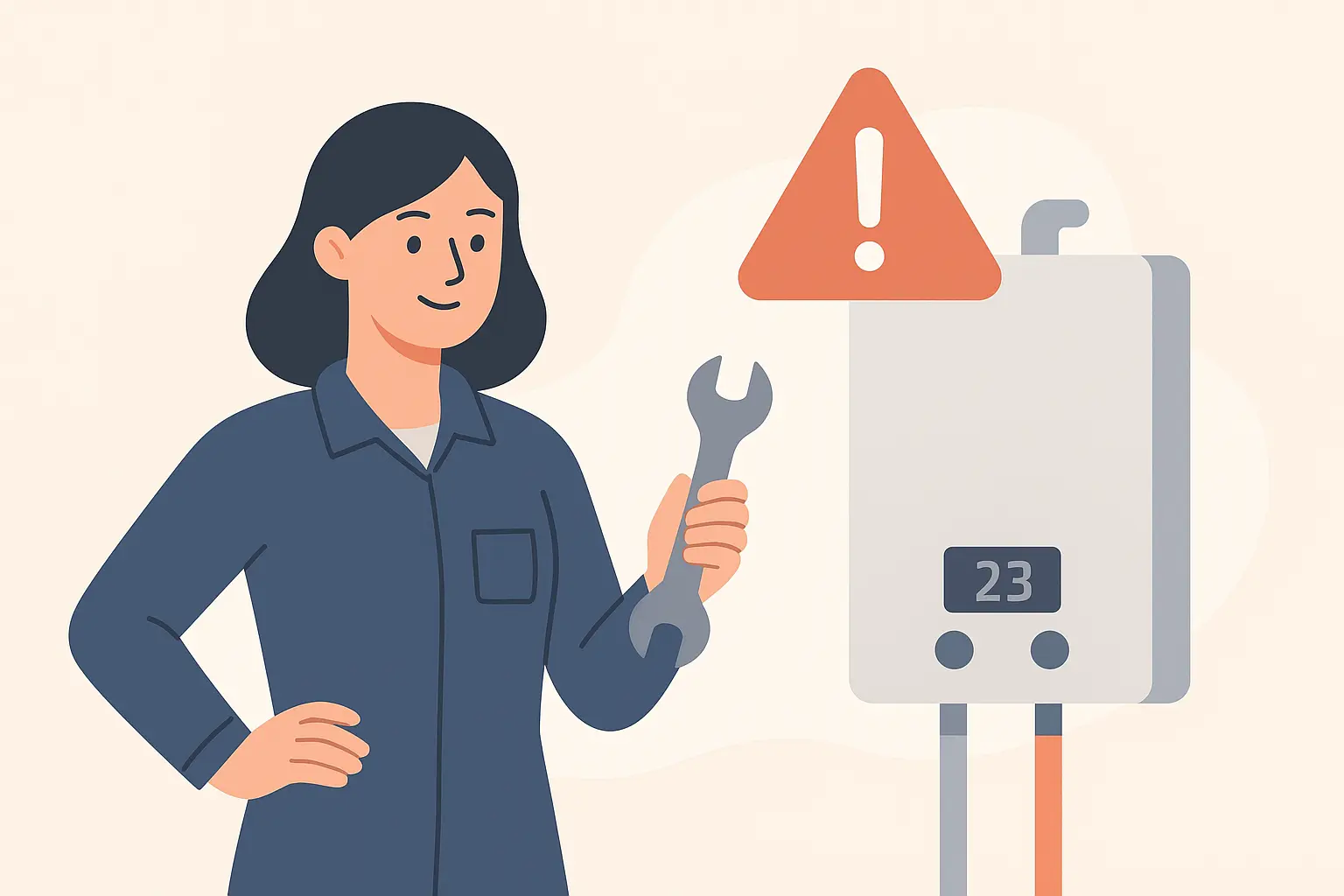
If you’ve got a Worcester Bosch boiler and a strange number has suddenly appeared on the display, you’re not alone. I get calls every week from worried homeowners asking what an EA or A1 fault actually means and whether the heating is about to pack in completely. As an experienced boiler repair engineer, I can tell you most of these codes are your boiler’s way of asking for a bit of attention rather than signalling the end of its life.
Worcester Bosch boilers are generally very reliable, but like any bit of kit that works hard through a British winter, they occasionally throw up fault codes. Understanding what they mean can save you time, stress and sometimes an unnecessary call out.
Why Worcester Bosch fault codes matter
Modern boilers are clever. They constantly monitor pressure, ignition, gas supply and water flow. When something isn’t quite right, the boiler locks out and displays a code to prevent damage or unsafe operation.
That code is essentially a clue. It helps engineers quickly narrow down the problem. For homeowners and landlords, it gives you a head start on deciding what to do next. Some issues are simple and safe to check yourself. Others need professional hands straight away.
Common Worcester Bosch fault codes and what they mean
EA fault code
This is one of the most common ones I see, especially in places like Didcot and Abingdon where newer estates often have Worcester combis fitted as standard.
EA usually means ignition failure. In plain English, the boiler tried to light but didn’t detect a flame.
Possible causes include:
- No gas supply
- A problem with the ignition electrode
- Low gas pressure
- A frozen condensate pipe in very cold weather
Sometimes a simple reset works. Other times, especially if it keeps returning, it needs investigating properly.
A1 fault code
An A1 code usually relates to the pump or water circulation. It can mean the pump is running dry or there’s air trapped in the system.
I’ve been to jobs in Wallingford where this popped up after radiators were bled and the system pressure wasn’t topped back up correctly.
If water isn’t circulating as it should, the boiler overheats and shuts itself down to protect the heat exchanger.
C6 fault code
C6 relates to the fan. The boiler isn’t detecting the correct fan speed or air pressure.
This isn’t one to ignore. The fan plays a key role in safely expelling fumes. If you see this code, it’s best to switch the boiler off and get it checked.
F0 or low pressure fault
This is very common. The display may show F0 or a low pressure reading below 1 bar.
Boiler pressure naturally drops slightly over time, especially after bleeding radiators. If it falls too low, the boiler won’t fire.
In many cases, simply topping up the pressure using the filling loop sorts it out. Your manual will show you how, and it’s usually straightforward.
Simple checks you can do before calling an engineer
Before picking up the phone, there are a few safe checks you can carry out.
- Check the boiler pressure. It should usually sit between 1 and 1.5 bar when cold.
- Make sure your gas supply is on and other gas appliances are working.
- Reset the boiler once. Don’t keep resetting it repeatedly.
- Look outside to see if the condensate pipe is frozen during cold snaps. You might notice a plastic pipe dripping outside.
- Check your thermostat has batteries and is calling for heat.
I often find that after a power cut in Oxfordshire villages, boilers simply need resetting. It’s a two minute fix that saves a call out.
That said, if you smell gas, hear unusual banging or the fault returns straight away, stop and call a professional.
When to contact a professional boiler repair engineer
If the fault code keeps coming back, or relates to ignition, gas, the fan or internal components, it’s time to get it checked.
Landlords in particular shouldn’t ignore recurring fault codes. Even if the boiler restarts, there may be an underlying issue that could leave tenants without heating or hot water at the worst possible time.
Modern Worcester Bosch boilers are packed with sensors and safety devices. Diagnosing them properly often means using manufacturer guidance and test equipment. Guesswork can make things worse.
I always tell customers, if you’re not completely confident and it involves removing the case or touching anything gas related, leave it alone. It’s not worth the risk.
How regular servicing helps prevent fault codes
A yearly boiler service does more than keep your warranty valid. It gives us the chance to clean key components, check flue integrity, test gas pressure and spot wear before it turns into a breakdown.
Many EA and ignition faults I attend could have been prevented with routine cleaning of the burner and electrodes. Likewise, checking expansion vessels and system pressure reduces call outs for low pressure errors.
If your boiler is over five years old and hasn’t been serviced regularly, fault codes tend to become more frequent. A bit of preventative maintenance goes a long way.
Conclusion and next steps
Worcester Bosch fault codes might look alarming at first, but they’re there for a reason. Some, like low pressure, are simple to sort. Others, particularly ignition and fan related faults, need proper investigation.
If you’re unsure, it’s always better to ask. At AGM Heating and Plumbing we regularly help homeowners and landlords across Wallingford, Didcot and Abingdon make sense of boiler issues and get their heating back up and running safely.
Need help with a fault code? Contact us today and we’ll talk you through the next steps.