Your boiler is one of the hardest-working appliances in your home, providing reliable heating and hot water every single day. But like any complex system, boilers can develop problems over time. Understanding what common boiler issues mean, and when they signal it’s time to consider replacement, can save you money, stress, and discomfort.
At AGM Plumbing & Heating, we repair boilers across Abingdon, Oxford, Didcot, Wallingford and throughout Oxfordshire. We’ve diagnosed and fixed thousands of boiler problems. In this guide, we’ll explain the most common issues homeowners encounter, what causes them, and when repair or replacement is the right solution.
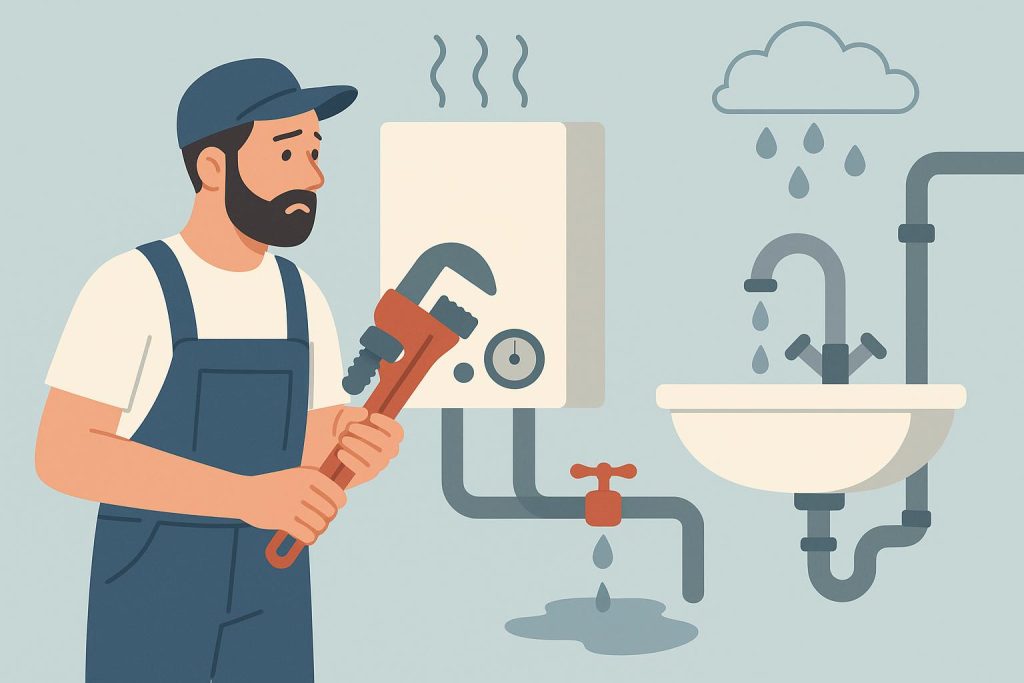
No Heat or Hot Water
This is one of the most common complaints we receive, particularly during winter when your boiler is working hard.
What it means:
Your boiler isn’t producing heat or hot water, or it’s producing very little. You might have heating in some rooms but not others, or hot water available sometimes but not consistently.
Common causes:
A broken thermostat, a faulty diverter valve (in combi boilers), low water pressure, or a problem with the heating pump. Sometimes it’s simply a pilot light that’s gone out, which is a quick fix. In older boilers, the heat exchanger, a critical component, may be failing.
When to worry:
If your boiler is over 15 years old and develops this problem, replacement often makes more sense than repair. New boilers offer better efficiency and reliability. However, if your boiler is relatively young, repair is usually straightforward and cost-effective. We can diagnose the specific issue during a service call.
Next step:
Call for a professional diagnosis. If you’re considering replacement, we offer free quotes and can discuss modern boiler options that would serve your home better. Modern boilers are significantly more efficient than older models, which means lower energy bills.
Boiler Keeps Shutting Off (Lockout)
Your boiler fires up, provides heat briefly, then shuts itself off. This cycle repeats, leaving you without consistent heating.
What it means:
Your boiler has detected a fault and shut down as a safety measure. This is actually a good thing, your boiler is protecting itself and your home. However, something is wrong.
Common causes:
A faulty ignition, a blocked flue, low water pressure, or a problem with the heat exchanger. Lockouts can also result from a buildup of limescale in hard water areas.
When to worry:
Occasional lockouts might be a simple fix (like adjusting water pressure). Frequent lockouts suggest a more serious underlying problem. If your boiler is repeatedly locking out, it needs professional attention.
Next step:
Don’t ignore repeated lockouts. Contact us for a diagnosis. If your boiler is ageing and developing multiple issues, it might be worth considering replacement rather than repeated repairs. We can discuss whether repair or a new installation makes more financial sense for your situation.
Leaking or Dripping Water
You notice water pooling under your boiler, or water dripping from pipes connected to it.
What it means:
Your boiler has a leak somewhere in its system. This could be from a corroded pipe, a faulty seal, or internal component failure.
Common causes:
Corrosion from age, high pressure inside the system, or a damaged internal component such as the heat exchanger or pump seal.
When to worry:
Small drips might be addressable with a simple repair. However, leaks indicate your boiler is deteriorating. If your boiler is over 12–15 years old and develops a leak, replacement is often the better option than patching the problem.
Next step:
Don’t wait, water damage can occur quickly. Call for urgent attention. We provide emergency repair services for situations like this. If replacement is recommended, we can help you explore new boiler options and flexible finance arrangements.
Strange Noises (Banging, Whistling, Gurgling)
Your boiler makes unusual sounds, loud banging, high-pitched whistling, or gurgling noises – that weren’t there before.
What it means:
Different noises indicate different problems. Banging (kettling) usually means limescale or sludge buildup inside the heat exchanger. Whistling can indicate a problem with the pump or a blockage. Gurgling suggests air in the system or problems with the pump.
Common causes:
Hard water causes limescale buildup, sludge accumulation in the heating system, pump failure, or air trapped in pipes.
When to worry:
Strange noises are your boiler’s way of telling you something isn’t right. Left unchecked, the underlying problem gets worse. However, many of these issues are fixable, particularly if caught early.
Next step:
Have the boiler serviced and inspected. We can often address the issue (for example, a power flush can clear sludge and limescale). However, if your boiler is old and develops these problems, it might be signalling the end of its life. We can advise whether repair or replacement makes sense.
Pilot Light Won’t Stay Lit
Your pilot light goes out repeatedly, or won’t light at all.
What it means:
The pilot light is a small, continuously burning flame that ignites your boiler’s main burner. If it won’t stay lit, your boiler can’t produce heat.
Common causes:
A faulty thermocouple (a safety device that detects the pilot light), a dirty pilot light, or a gas supply problem. Sometimes it’s simply a draft extinguishing the flame.
When to worry:
This is usually fixable. However, if your boiler repeatedly develops pilot light problems, it suggests the boiler is ageing and developing multiple faults.
Next step: Contact us for a service call. We can often relight the pilot and identify the cause. This is typically an inexpensive repair. However, if you’re experiencing multiple boiler issues, it’s worth discussing whether replacement might be more economical than continued repairs.
Pressure Problems
Your boiler pressure gauge shows readings that are too high or too low.
What it means:
System pressure is critical for your boiler to function. Too low (usually below 1 bar) and the boiler won’t work. Too high and the boiler may shut down as a safety measure.
Common causes:
Low pressure often results from a small leak you haven’t noticed, or water escaping through the relief valve. High pressure can occur if the expansion vessel (which absorbs pressure from heating water) is faulty.
When to worry:
Low pressure is usually fixable by topping up the system or finding and fixing a leak. High pressure suggests a component failure.
Next step: We can check your system pressure and diagnose the cause. Many pressure problems are simple fixes. However, if your boiler repeatedly develops pressure issues, it may indicate aging components that will continue to fail.
Boiler Not Responding to Thermostat
You adjust your thermostat, but the boiler doesn’t respond, it doesn’t heat up or cool down as requested.
What it means:
Your boiler and thermostat aren’t communicating properly, or the thermostat itself is faulty.
Common causes:
A faulty thermostat, loose wiring connections, a broken diverter valve, or a control board problem in the boiler.
When to worry:
If it’s just the thermostat, replacement is inexpensive (typically £100–300). If it’s the boiler’s control board, repair costs rise significantly. For older boilers, this might tip the balance toward replacement.
Next step: We can test your thermostat and boiler controls to identify the issue. Thermostat replacement is straightforward. If it’s a boiler component, we’ll advise whether repair or replacement makes sense given your boiler’s age.
When Is It Time to Replace Your Boiler?
If your boiler is experiencing frequent problems, reaching the end of its lifespan (typically 10–15 years), or costing you significant money in repairs, replacement may be the most sensible option.
Consider replacement if:
Your boiler is over 15 years old and developing multiple issues. The cost of repairs approaches 50% of the price of a new boiler. You’re receiving repair bills several times per year. Your boiler is inefficient, pushing up your energy bills. You want the peace of mind of a modern, reliable system with an extended warranty.
Benefits of upgrading:
Modern boilers are 90%+ efficient, saving you £100–300 annually on energy bills. New installations come with manufacturer warranties and extended guarantee options up to 12 years. You’ll have reliable heating and hot water without the stress of breakdowns. Modern boilers are quieter, more compact, and more responsive than older models.
Get Professional Advice
If your boiler is showing any of these warning signs, don’t ignore them. Early diagnosis often means less expensive repairs and fewer disruptions to your comfort.
We offer free, no-obligation home surveys where our Gas Safe registered engineers can assess your boiler’s condition and advise whether repair or replacement is the right choice. If replacement is needed, we can discuss which boiler type is best for your home and help you spread the cost with flexible finance options from 2–10 years (with 0% interest-free options available).
Ready to get your boiler checked or to explore replacement options? Get an instant quote today. Call us or complete our quick online form to arrange your free survey.
As Worcester Accredited Installers, we can offer extended guarantees up to 12 years on new installations, giving you long-term protection and peace of mind. We serve households across Oxford, Abingdon, Didcot, Witney, Woodstock, Kidlington, Bicester, and Wallingford.
Don’t let boiler problems catch you off guard. Contact AGM Plumbing & Heating today.